Government Strengthened National Immunization Strategy Through Triangulation of NIS 2025-2029 Costing Results
Immunization is a fundamental right of every child in Indonesia and an integral part of primary healthcare services that must be guaranteed by the government. As a key priority in the health sector, the immunization program is continuously strengthened and consistently incorporated into the National Medium-Term Development Plan (RPJMN) every five years. The government is committed to ensuring program sustainability to prevent disease outbreaks and enhance public health.
As a strategic initiative, the World Health Organization (WHO) and its partners have developed the National Immunization Strategy (NIS) 2025-2029. This strategy aligns with the Immunization Agenda 2030 (IA2030), emphasizing the role of immunization in strengthening primary healthcare services and achieving Universal Health Coverage (UHC). The NIS 2025-2029 is harmonized with the RPJMN 2025-2029 and supports Indonesia’s healthcare transformation, focusing on primary care, disease prevention financing, and public health enhancement.
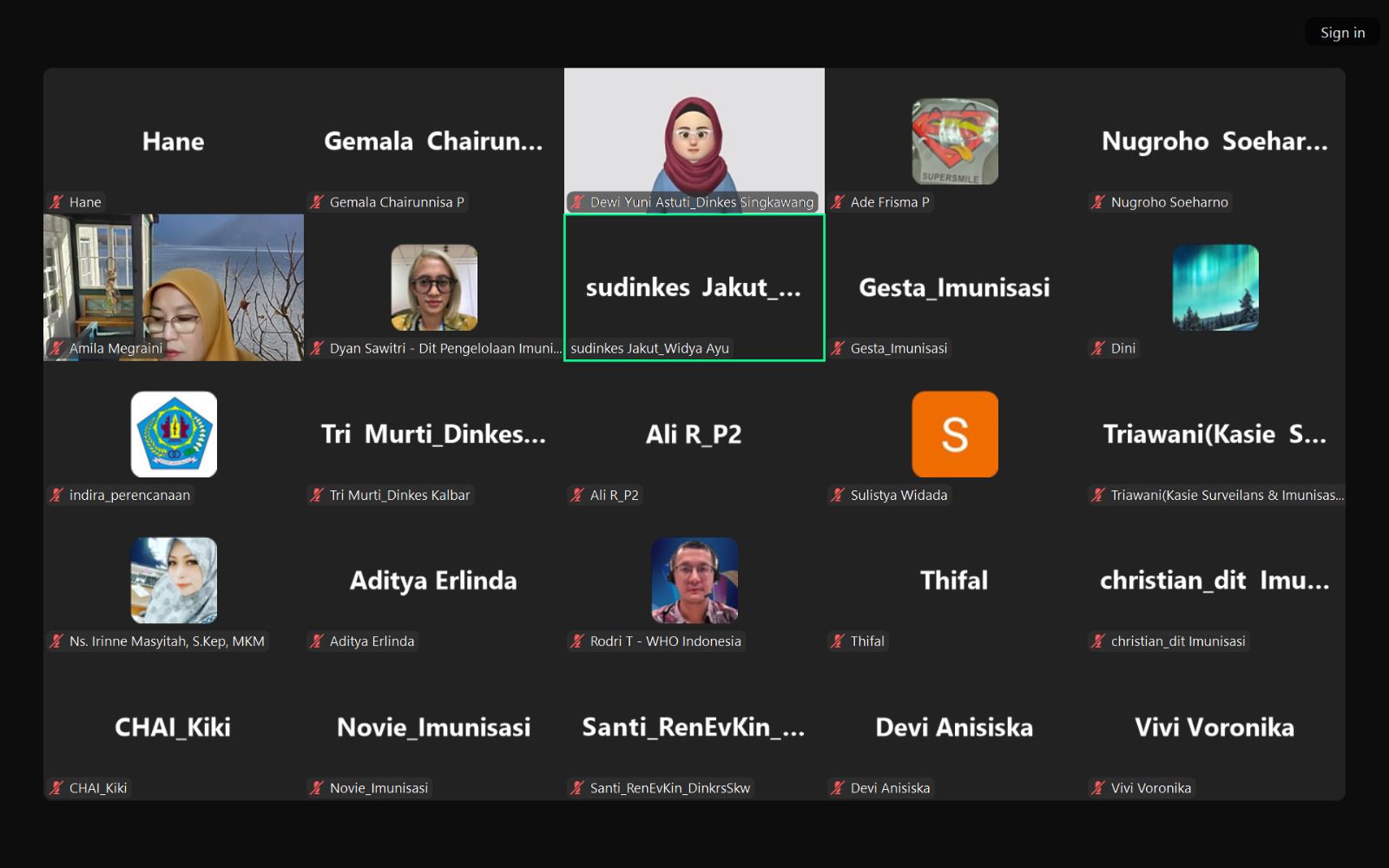
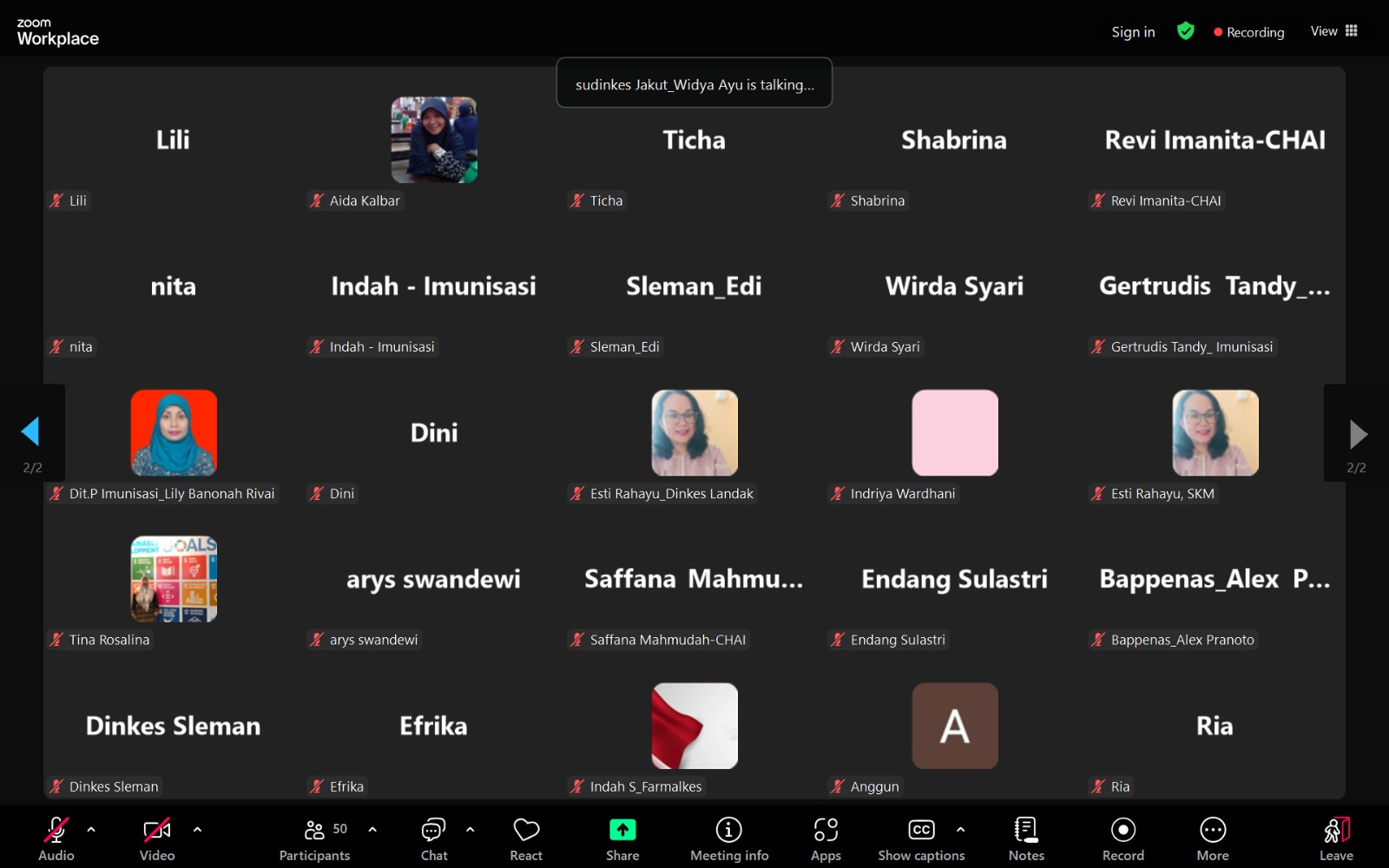
As part of strategic planning, the Ministry of Health, through the Directorate of Immunization Management, held the Triangulation of NIS 2025-2029 Costing Results meeting on Thursday, February 13, 2025, via Zoom. This meeting aimed to ensure the alignment of immunization program cost calculations with regional budgets and expenditures while gathering input to refine the planning and implementation of NIS 2025-2029.
The meeting was attended by representatives from various regional health offices, including Langsa City, Pidie Regency, North Jakarta, Bandung City, Landak Regency, Singkawang City, Denpasar City, Sorong City, and Sleman Regency. Additionally, the NIS Core Team was present, consisting of representatives from Kemenko PMK, Bappenas, the Ministry of Health, international partners, and consultants from LPPKM-PKEKK FKM UI.
A data-driven approach was applied in this study to ensure cost calculations align with regional budgets and immunization program expenditures. The data collected included Regional Work Plan 2025 documents and 2025 immunization coverage targets. LPPKM-PKEKK FKM UI presented the costing results as a basis for triangulation analysis to identify budgetary needs and implementation challenges.
The meeting highlighted the importance of detailed budget mapping to avoid funding gaps. A targeted costing approach is expected to improve the effectiveness of NIS implementation while maintaining sustainability and equitable immunization coverage.
As an outcome, the meeting produced a verification and cost adjustment document for NIS 2025-2029, ensuring alignment between cost calculations and actual regional immunization program budgets. Additionally, strategic recommendations were formulated to enhance planning, budget allocation, and cost management strategies, ensuring a more effective, efficient, and sustainable immunization program.